What Makes the Original Real — and How Beginners Trip Up
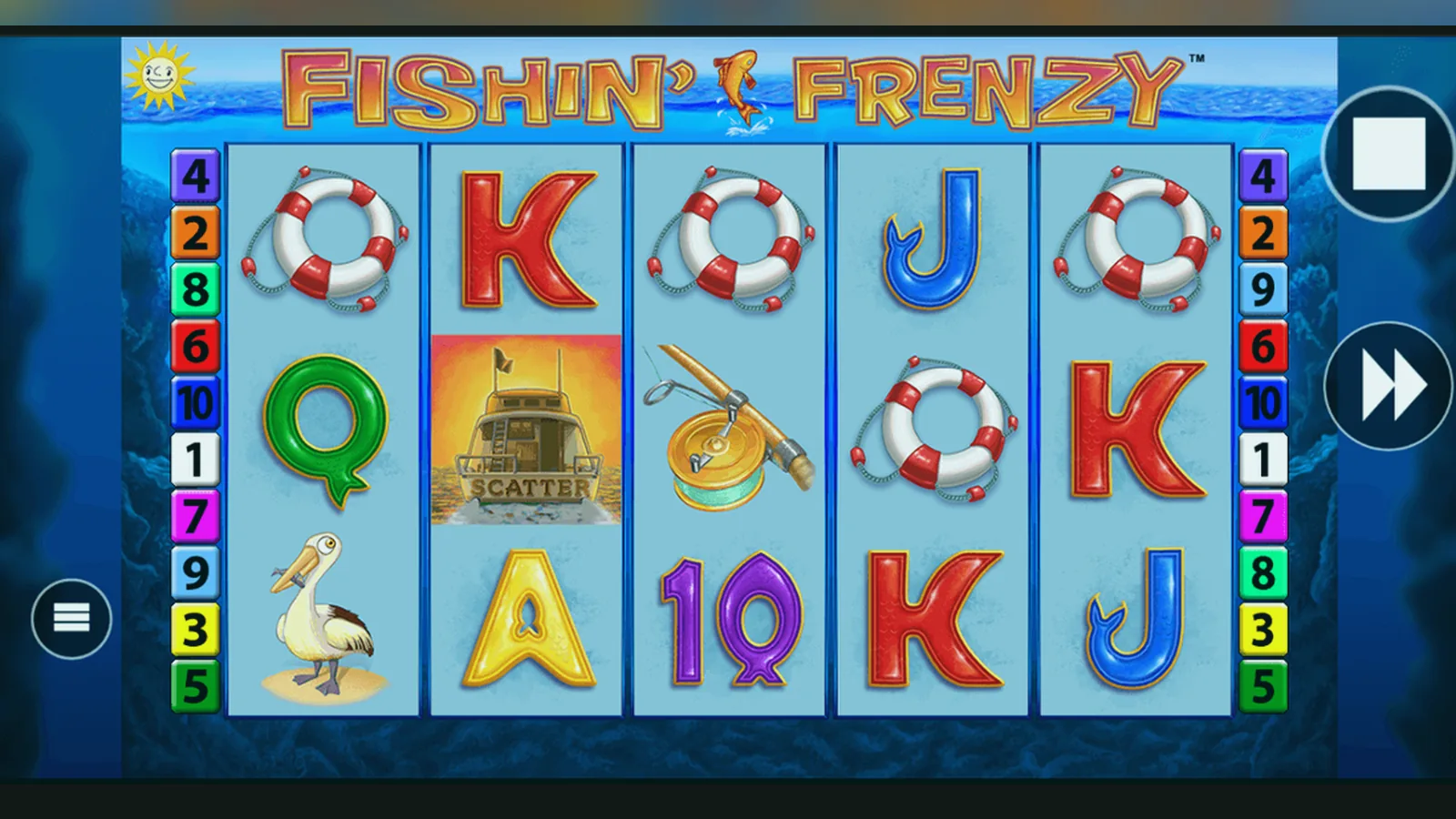
Here's what usually goes wrong: someone clicks a game called Fishin' Frenzy, stakes twenty quid across four spins, triggers the free-games round, lands three fishermen symbols, watches the multipliers climb — and walks away with £4.80. They assume the game is rigged. In most cases, the game isn't rigged; it's a clone with different maths, or they're playing the original but never checked the paytable or understood how volatility works.
The original Fishin' Frenzy is a Blueprint Gaming slot, certified for the UK market and bound by the £5 stake cap if you're over 25 or £2 if you're 18–24. It runs on UKGC-licensed sites, which means the operator holds a remote gambling licence you can look up in the Commission's public register. The licence number sits in the footer. If it's missing, you're on an unlicensed site, and that's illegal to market here. This page walks through how a round actually works, what the real numbers are, which clones differ and how, and a ten-second check that you're on the original before you stake anything.
Who Made It and How Certification Actually Works
Blueprint Gaming holds the intellectual property and builds the game. Blueprint is part of the Gauselmann Group, a German machine manufacturer with decades in land-based slots. The studio licenses the game to casino operators, who integrate it through aggregators like SG Digital or directly if they're large enough. The operator pays Blueprint a share of the house edge in return for hosting the game.
For the UK, the game file is tested by an accredited laboratory — typically iTech Labs or GLI — against the UKGC's technical standards. The lab checks the random-number generator, the stated return-to-player figure, and whether the paytable matches the maths model. If it passes, the operator can offer it under their remote licence. The operator, not Blueprint, holds the UKGC licence, so the footer on the site is where you confirm legality. Blueprint's name appears in the game's load screen and the paytable, but Blueprint itself doesn't need a separate UK licence because it supplies software, not a gambling service.
The original uses certified RNG software. Every spin outcome is independent. Past results don't influence future ones. Volatility — how often you win and how much — is baked into the maths model and disclosed in the paytable. High volatility means long dry spells punctuated by larger wins; it doesn't mean the game is broken. If you see claims that the game is due to pay or that a pattern exists, ignore them. RNG doesn't work that way, and anyone selling a pattern is selling nonsense.
How a Round Works From the Player's Seat
You set a stake — anything from £0.10 to £5.00 per spin if you're over 25, or £0.10 to £2.00 if you're 18–24. The game has ten fixed paylines, so the stake is divided across those lines. You press spin. The reels stop. If matching symbols land left to right on a payline, you win according to the paytable. If not, the stake is lost and the next spin starts. There's no skill component; the outcome is determined the moment you press the button, and the reel animation is cosmetic.
The fisherman symbol is the wild and substitutes for everything except the scatter. Three or more scatter symbols — the lifebelt — trigger ten free spins. During free spins, every fish symbol that lands is collected by the fisherman wild, and its value is paid. This is the feature that delivers the larger wins, because fish values can stack across multiple spins. Outside the feature, fish symbols pay nothing unless a wild lands on the same spin to collect them.
- Set your stake within the cap for your age bracket.
- Press spin. The RNG selects the outcome instantly.
- If you land three scatters, you enter ten free games.
- Fish symbols collected by a wild during the feature add their values to your total.
- When free spins end, the total is paid and you return to base play.
- Repeat. Each spin is independent.
The mechanic is simple, which is why the game is popular with casual players. The mistake beginners make is assuming the feature will arrive every twenty or thirty spins. Volatility is medium to high, so fifty or eighty spins without a feature is normal. If you're staking £5.00 a spin and expect frequent bonuses, you'll burn through your budget before you see one. The paytable doesn't lie: check the hit frequency and feature probability before you play, not after.
The Real Numbers From the Technical Sheet
The 96.12% RTP is the long-run theoretical return. It's calculated over millions of spins. In a single session of a hundred spins, your actual return can be anywhere from 20% to 180%, and both are normal. Volatility describes the distribution: medium-high means wins are less frequent but larger when they land. If you're chasing the 5,000× max win, expect to go through long losing streaks. That's not a flaw; it's the design.
Some operators offer versions with different RTP settings — 94% or 92% — because Blueprint allows configuration. The lower the RTP, the steeper the house edge. The version you're playing is shown in the paytable or the game's info panel. If the site doesn't display it, ask support or walk away. A 4% difference in RTP compounds quickly over a few hundred spins.
| RTP version | House edge | £100 staked, theoretical return | |
|---|---|---|---|
| 96.12% | 3.88% | £96.12 | → |
| 94.00% | 6.00% | £94.00 | → |
| 92.00% | 8.00% | £92.00 | → |
Which Clones Circulate and Where They Differ
Blueprint released several official sequels: Fishin' Frenzy Megaways, Fishin' Frenzy The Big Catch, Fishin' Frenzy Even Bigger Catch, Fishin' Frenzy Prize Lines, and Fishin' Frenzy Power 4 Slots. Each uses the same theme but different mechanics — Megaways adds up to 117,649 ways to win, The Big Catch introduces a progressive jackpot, Prize Lines replaces paylines with a prize-collection system. These are legitimate Blueprint games with their own RTPs and volatility profiles. They're not clones; they're sequels with distinct maths.
Then there are clones: games from other studios that copy the fishing theme, the cartoonish art style, and sometimes even the name with slight changes. These run on unlicensed sites or grey-market operators outside UKGC jurisdiction. The maths is different, the RTP is often undisclosed, and there's no independent lab report. If you're on a site without a UKGC licence number in the footer, you're not playing the original, and you have no recourse if the site refuses to pay or the game behaves oddly.
- Blueprint sequels are official, carry the Blueprint branding, and have verified RTPs. They're legal on UKGC-licensed sites.
- Clones mimic the look but use different maths, often with no paytable or RTP disclosure. They appear on unlicensed sites.
- Some clones use the exact name «Fishin' Frenzy» but load a different game file. Check the provider name in the load screen.
The sequels can be more volatile than the original. Megaways, for instance, has a wider variance and a higher max win, but the feature is harder to trigger. If you're switching from the original to a sequel, read the paytable first. The stake caps and age-gating apply to all versions on UK sites, but the gameplay and risk profile differ.
A Ten-Second Check Before You Stake Anything
- Open the game. Look at the load screen. It should say «Blueprint Gaming» or display the Blueprint logo.
- Open the paytable or game info panel. The RTP and volatility should be listed. If they're missing, close the game.
- Scroll to the casino site's footer. Find the UKGC licence number. It's a six- or seven-digit number, sometimes prefixed with «Licence No.»
- Go to the UKGC's public register at gamblingcommission.gov.uk, enter the licence number, and confirm the operator name matches the site.
- Check that the site mentions GAMSTOP. Every UKGC-licensed operator must integrate GAMSTOP for self-exclusion.
- Confirm the stake cap. If you're over 25, the maximum per spin should be £5.00. If you're 18–24, it should be £2.00.
If any of these checks fail, don't deposit. Blueprint's original runs only on licensed sites, and a missing licence means the site operates illegally in the UK. Your funds aren't protected, disputes go nowhere, and the game file might not be the certified version. It's not worth the risk to save two minutes of checking.
Where the original runs for UK players: any casino with a valid UKGC remote licence can offer Blueprint games. Large operators like Betfred, Grosvenor, Ladbrokes, and William Hill carry the full Blueprint catalogue. Smaller operators might offer it through an aggregator. The operator list changes, so use the register to verify rather than trusting a brand name. New sites appear monthly, and some lose their licences or stop trading. The register is the single source of truth.
FAQ
What happens if I play a clone instead of the original?
You're gambling on a game with unknown maths and no regulatory oversight. The RTP might be lower, the feature might be less likely to trigger, and the site might refuse to pay winnings because it has no UKGC licence. If you dispute a payout, you have no recourse. The original is tested, the clone isn't. Stick to UKGC-licensed sites and check the provider name in the game's load screen before you stake anything.
Why does the free-spins feature take so long to land?
Medium-high volatility means features are less frequent. Triggering the bonus every twenty spins would require lower volatility and a lower max win. The maths trades frequent small wins for rarer large ones. If you've gone eighty spins without a feature, that's within normal variance. It's not a sign the game is broken or the site is cheating. RNG doesn't remember your last hundred spins, so the feature is equally likely on spin 1 and spin 200. Volatility is disclosed in the paytable; budget accordingly.
Can I play the original in demo mode without depositing?
Many UKGC-licensed sites offer demo play, but you'll need to register and verify your age first. Free play used to be available without an account, but most operators now gate it behind age checks to comply with advertising rules. Once you're logged in and age-verified, look for a «Demo» or «Play for Fun» button next to the real-money option. Demo mode uses the same RTP and maths as real play, so it's a accurate way to learn the mechanics before you stake actual money. Just remember: demo winnings aren't withdrawable, and demo variance can mislead you into thinking the game pays more often than it does under real conditions.